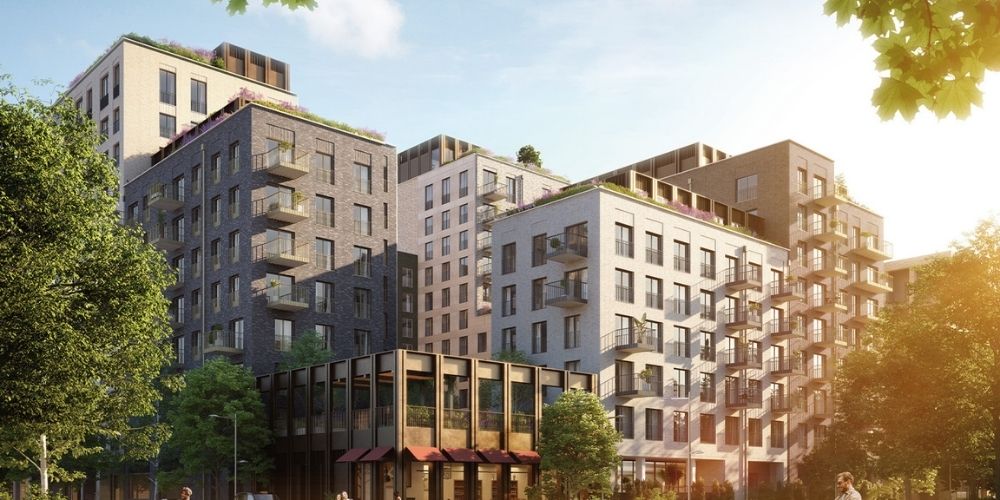
AESG, working with the LDN Collective and West London Business, have responded with Net Zero Neighbourhoods, a piece of research and advocacy that sets out ten principles for planning and designing low carbon neighbourhoods, illustrated through ten global case studies and a scan of emerging innovation. The aim is to give governments, city planners, developers and investors the confidence to embrace more radical approaches, explore new funding models and skill up to retrofit at scale.
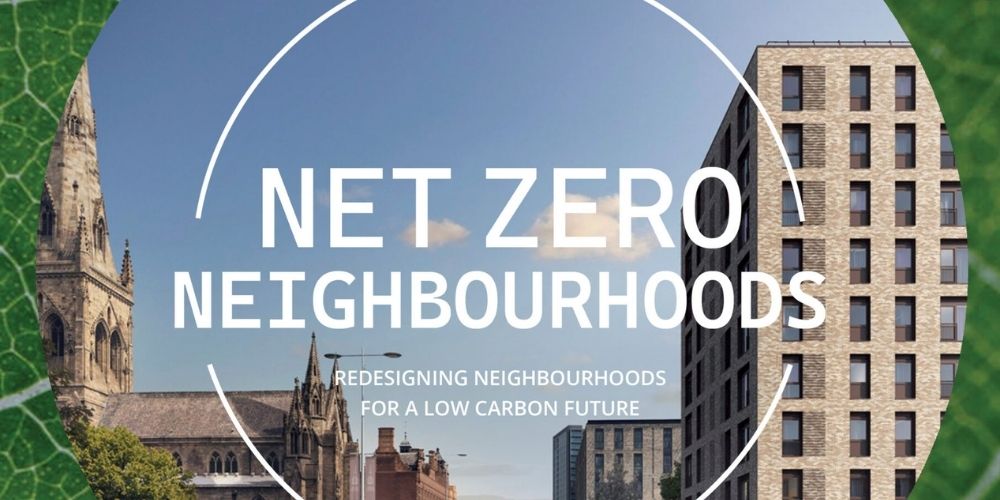
LDN Collective acted as collaborator and convenor, helping to shape the work so it is useful for real projects on the ground. The focus is on the neighbourhood scale as the sweet spot for decarbonisation, where energy, transport, buildings and public realm can be planned together, and where a mix of residential, retail and commercial uses can generate the scale and revenue needed to unlock private capital.

The report highlights ten key areas, from optimisation and renewable technology through to heat networks, local authority engagement, socio economic benefits, demand response, storage, funding mechanisms, digitisation and automation. Each principle is grounded in real neighbourhood projects from around the world, with evidence of outcomes rather than theory alone.
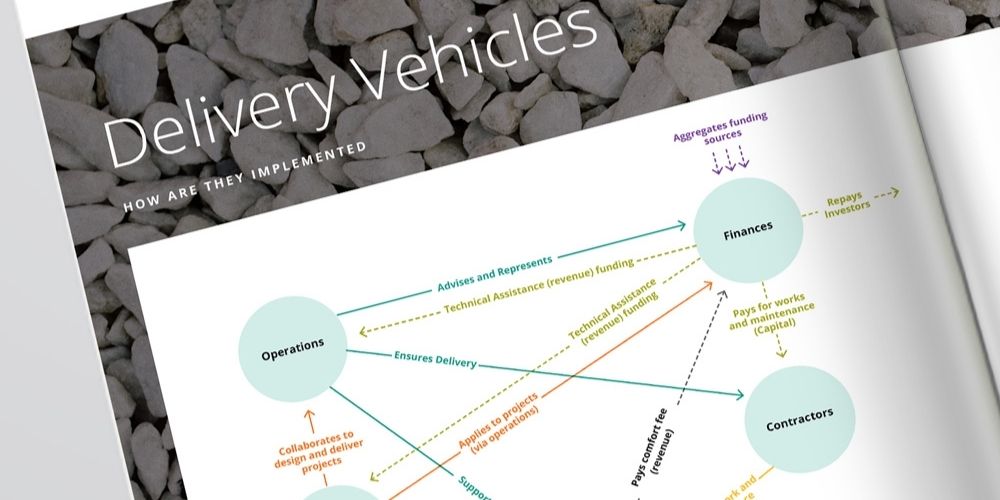
For West London, the work builds directly on the Cities Commission for Climate Investment programme, offering local authorities and partners a practical route map to future proof existing districts and new growth areas. It also sends a wider signal about the leadership role that West London Business, AESG and LDN Collective are taking on climate investment and energy resilience.
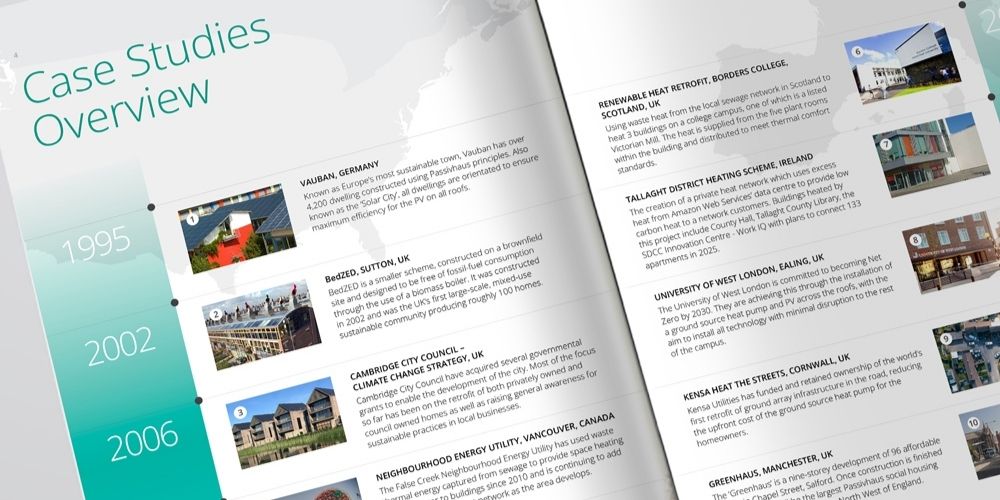
Addressing climate change at the neighbourhood scale is complex and can only be done collectively. Local authorities have clear net zero commitments but face major funding and capacity challenges. Net Zero Neighbourhoods distils the principles, shows what good looks like and demonstrates how public and private sectors can work together in a way that delivers both carbon reduction and social value.