For London Wall West the LDN Collective wanted to look again at an earlier consent to demolish the Museum of London podium and Bastion House and replace them with large new offices. The scheme had become contested on heritage, whole life carbon, community impact and deliverability. LDN Collective has tested whether a retrofit led alternative could unlock better social, environmental and commercial outcomes for this prominent corner of the Square Mile.
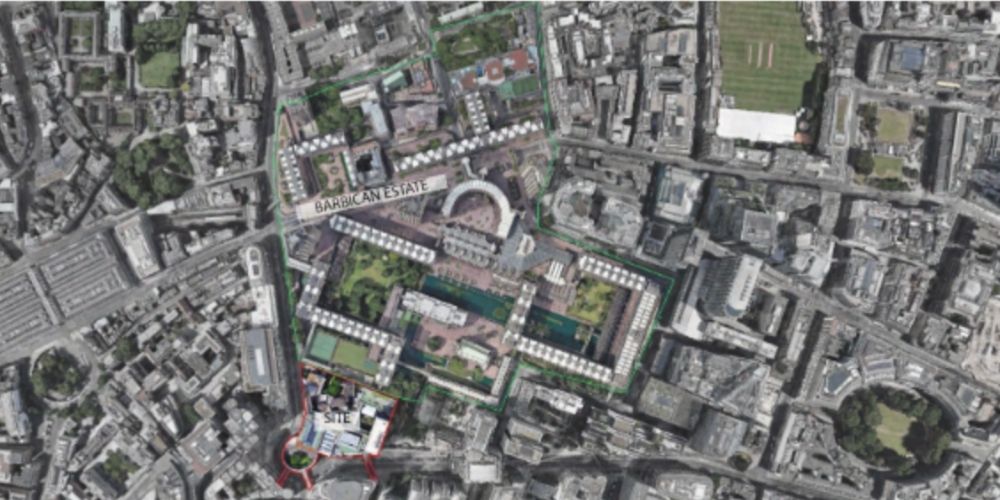
LDN Collective acted as strategic convenor, assembling and leading a multidisciplinary team covering architecture, structure, fire safety, energy, sustainability, cost, transport, planning, communications and embodied carbon analysis. Partners included Douglas and King Architects, Conisbee, JLL, AESG, Equals, Targeting Zero, Rising Tide, Introba, Exterior Architecture and PJA, alongside planning advice from SRC. This breadth allowed the City to explore the site as a whole place rather than simply a replacement office opportunity.
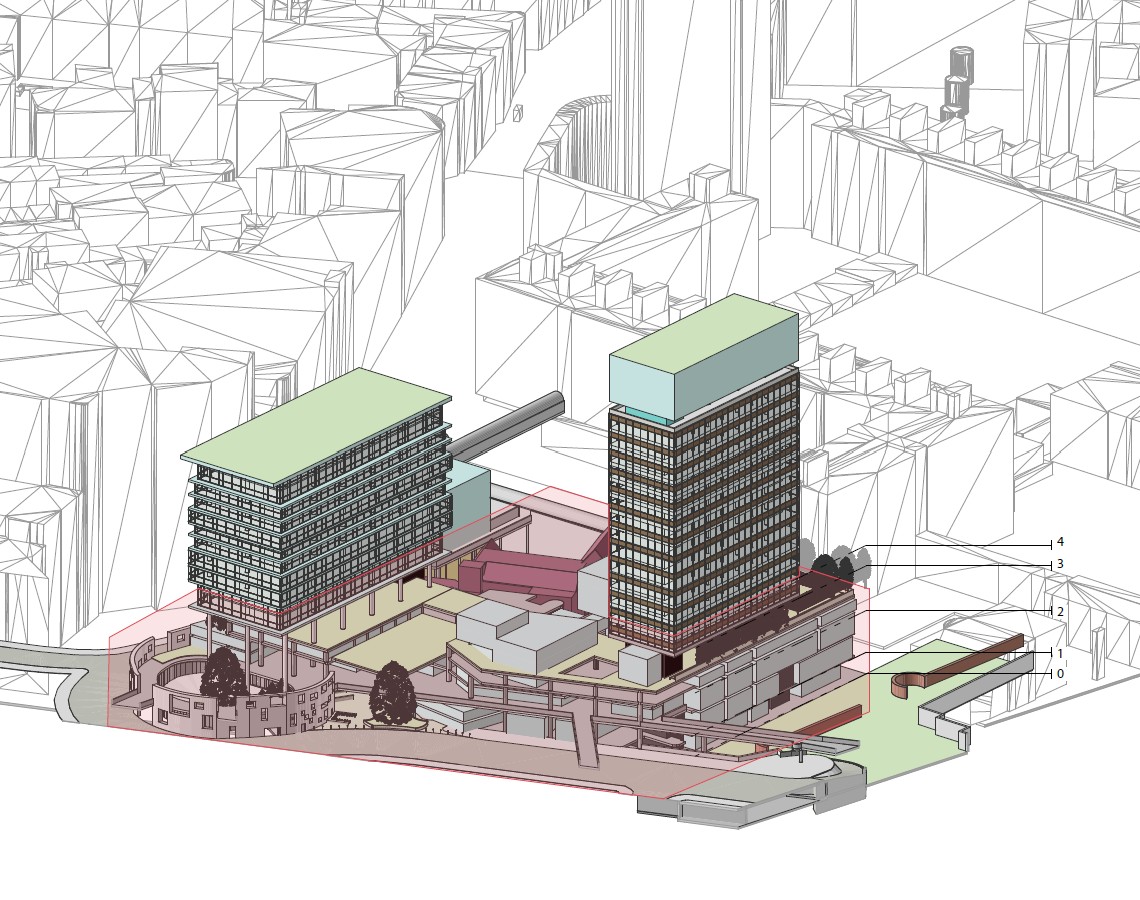
The work began with a clear review of why the existing consent was struggling. A dominant speculative office element, a narrow land use mix, high embodied and operational carbon, complex demolition and construction logistics and strong heritage and community objections all posed serious risks, including the potential for legal challenge. By putting these issues on the table, the team could concentrate on solutions that directly addressed them.
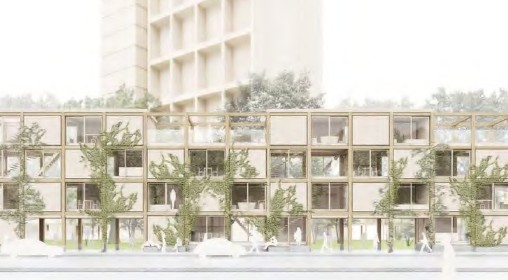
The alternative vision set out a different future for London Wall West. Instead of a single use office enclave, the proposal retains and adapts the museum podium and Bastion House, introduces a richer mix of uses and opens the site up as a piece of city. New ground floor cafes, bars, retail and cultural spaces bring life to streets and gardens. Improved routes reconnect the London Wall walk, the Barbican estate and the wider neighbourhood. Flexible upper level floors are designed to suit creative and tech focused enterprises as well as more traditional occupiers, attracting a younger and more diverse community over time.
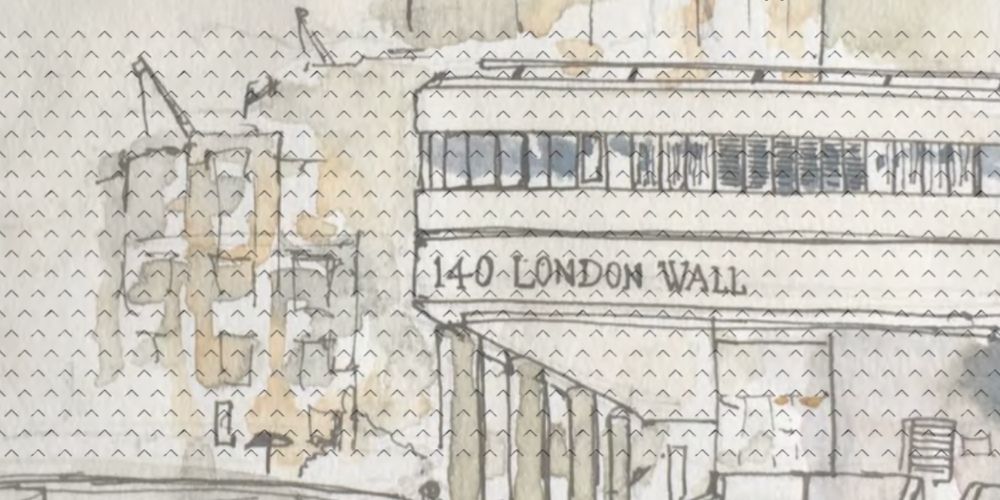
Alongside the design work LDN Collective developed a commercial strategy that showed how reuse could stack up. Retaining the existing structures reduces construction costs and embodied carbon, while introducing new living uses such as hotel, build to rent, student housing and co living supports land value and broadens the pool of potential partners and investors. The proposal is deliverable in a shorter timeframe, optimises business rates including hotel use and aligns with changing market demand for more flexible mixed use urban districts.
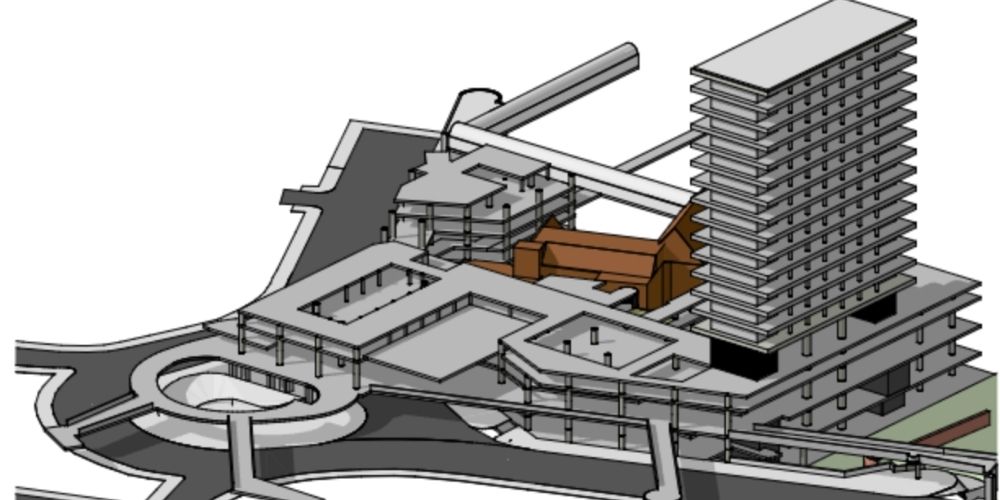
Detailed plans and diagrams demonstrate how the existing museum structure can become a robust vessel for new internal streets, light wells, workspace, markets and public space, and how Bastion House can reveal and upgrade its concrete frame while achieving modern standards of comfort and energy performance. Precedent studies from London and Europe show that similar modernist buildings have been successfully extended and layered with new uses while retaining most of their fabric and dramatically cutting embodied carbon.
For future clients the Bastion House work shows what LDN Collective can bring to complex and contentious sites. We provide a clear diagnosis of why a scheme is facing resistance, a creative but grounded retrofit first vision that works with what is already on site, and a robust commercial case that links circular economy principles to long term value. Most importantly, we do this through a trusted collective of experts who are used to working together on high stakes urban projects.