LDN Collective joined partners in Canning Town to learn from two major regeneration schemes
Canning Town has been one of the most active regeneration areas in East London, with large scale investment in new homes, public spaces and community facilities. It offers very practical lessons on what works in reality, where the risks lie and how to secure lasting support from local communities and decision makers.
We organised a study trip to two recent schemes delivered by English Cities Fund and Muse in partnership with the GLA and Newham Council. The focus was to look at how these projects handle tenure mix, community integration, sustainability, social value and delivery.
We drew out themes that matter for funders and planners as much as for local people, including affordable homes, long term stewardship, green infrastructure and local economic benefit.
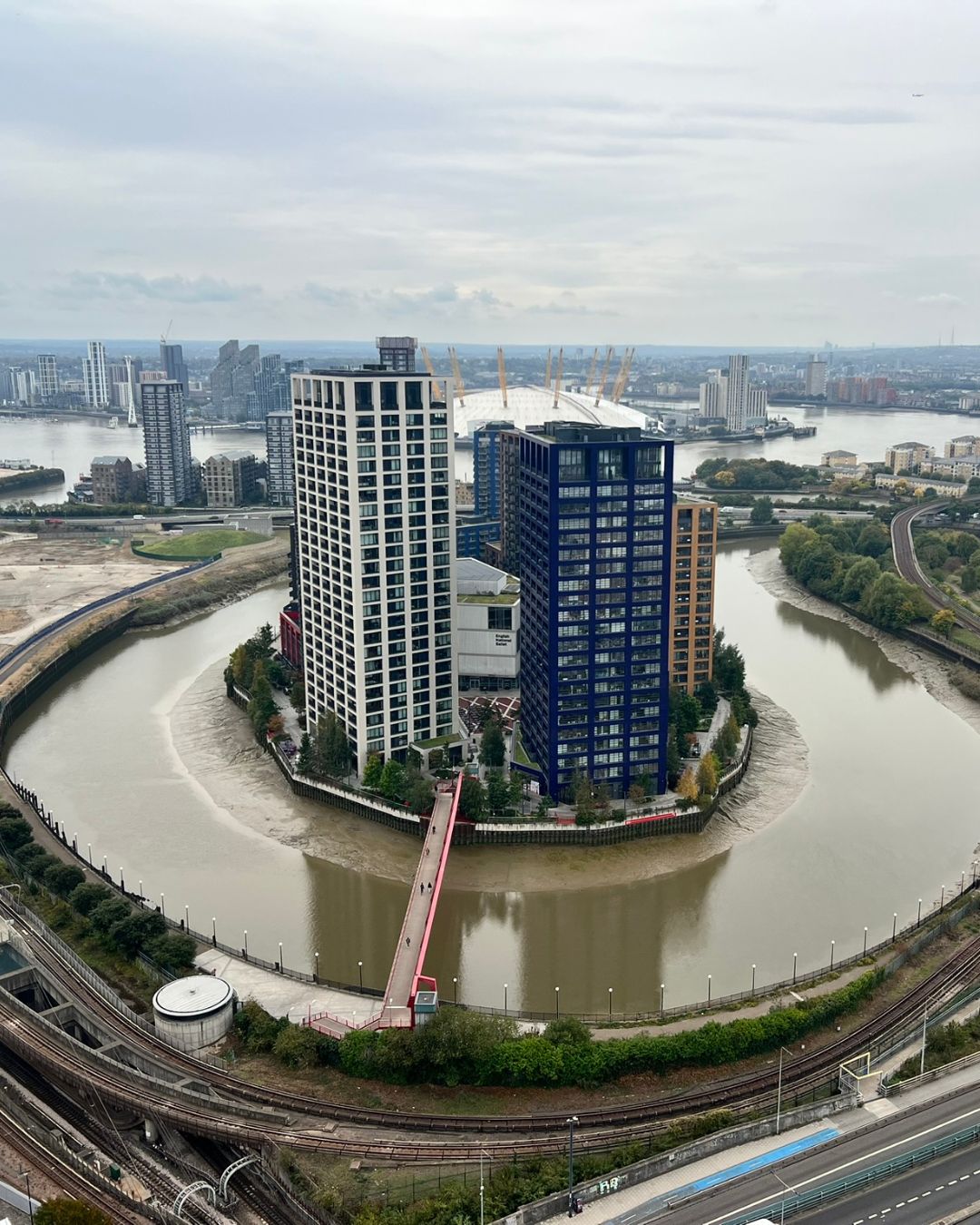
Rathbone Market keeping community at the heart of change
Rathbone Market is a long running partnership between English Cities Fund and Newham Council that has delivered several hundred new homes alongside new shops, community spaces, a library and a modern market square. Rather than sweep away the historic market, the project retained and upgraded it and took care to ensure trading could continue during construction.
This continuity matters. It preserves local identity, protects small businesses and keeps a familiar social anchor in the middle of large physical change. The mixed tenure offer across private sale, private rent, shared ownership and affordable homes gives a more balanced community than single tenure blocks. The clear message is that markets, civic uses and everyday social infrastructure are not extras. They should be treated as central parts of the brief from the outset.
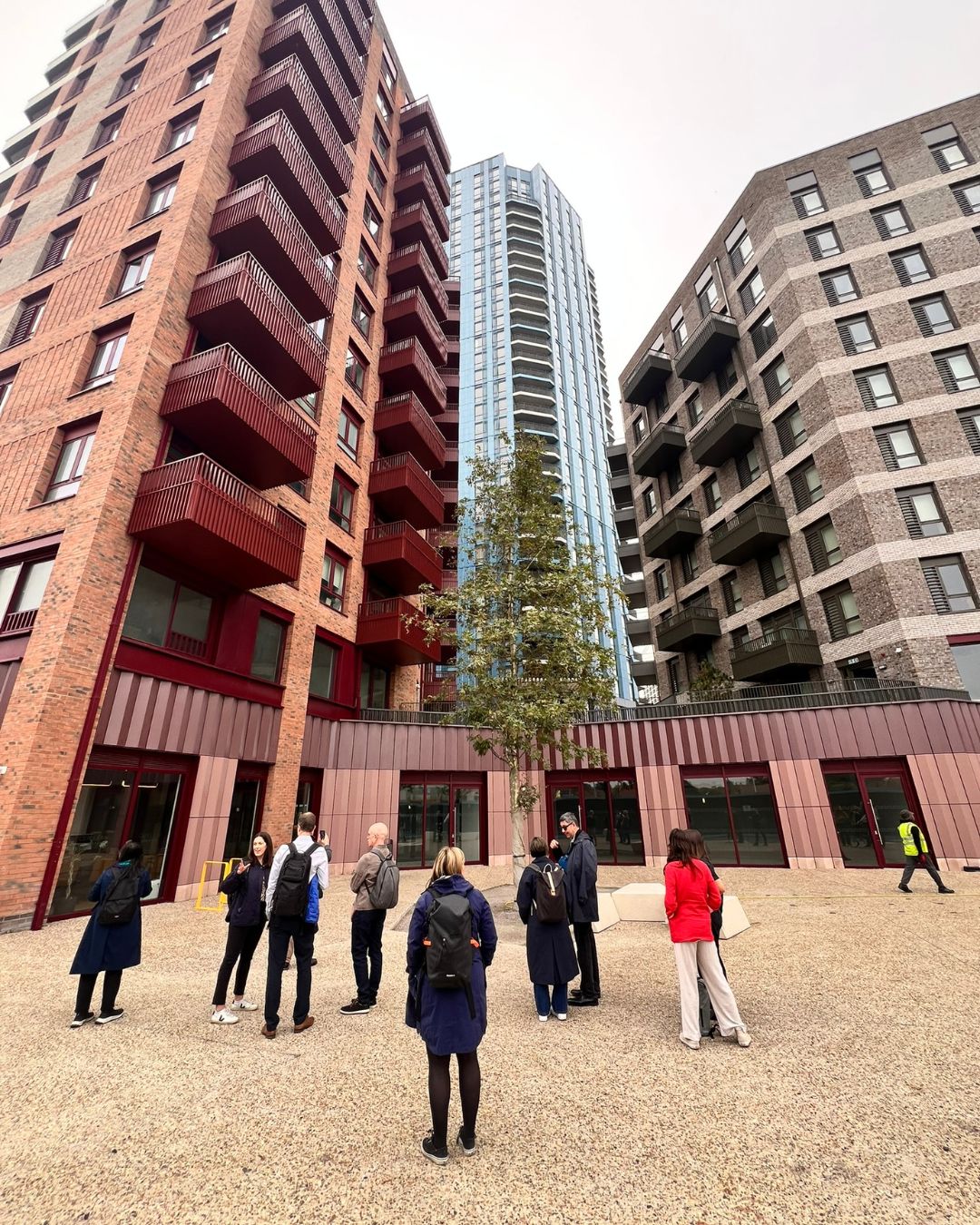
Manor Road Quarter affordable homes and green infrastructure at scale
Manor Road Quarter sits on a former retail and industrial site close to strong transport connections. The masterplan will deliver around eight hundred homes in total, with fifty per cent classed as affordable across London Affordable Rent, shared ownership and other products. Phase one of more than three hundred and fifty homes has now completed, with later phases in the pipeline.
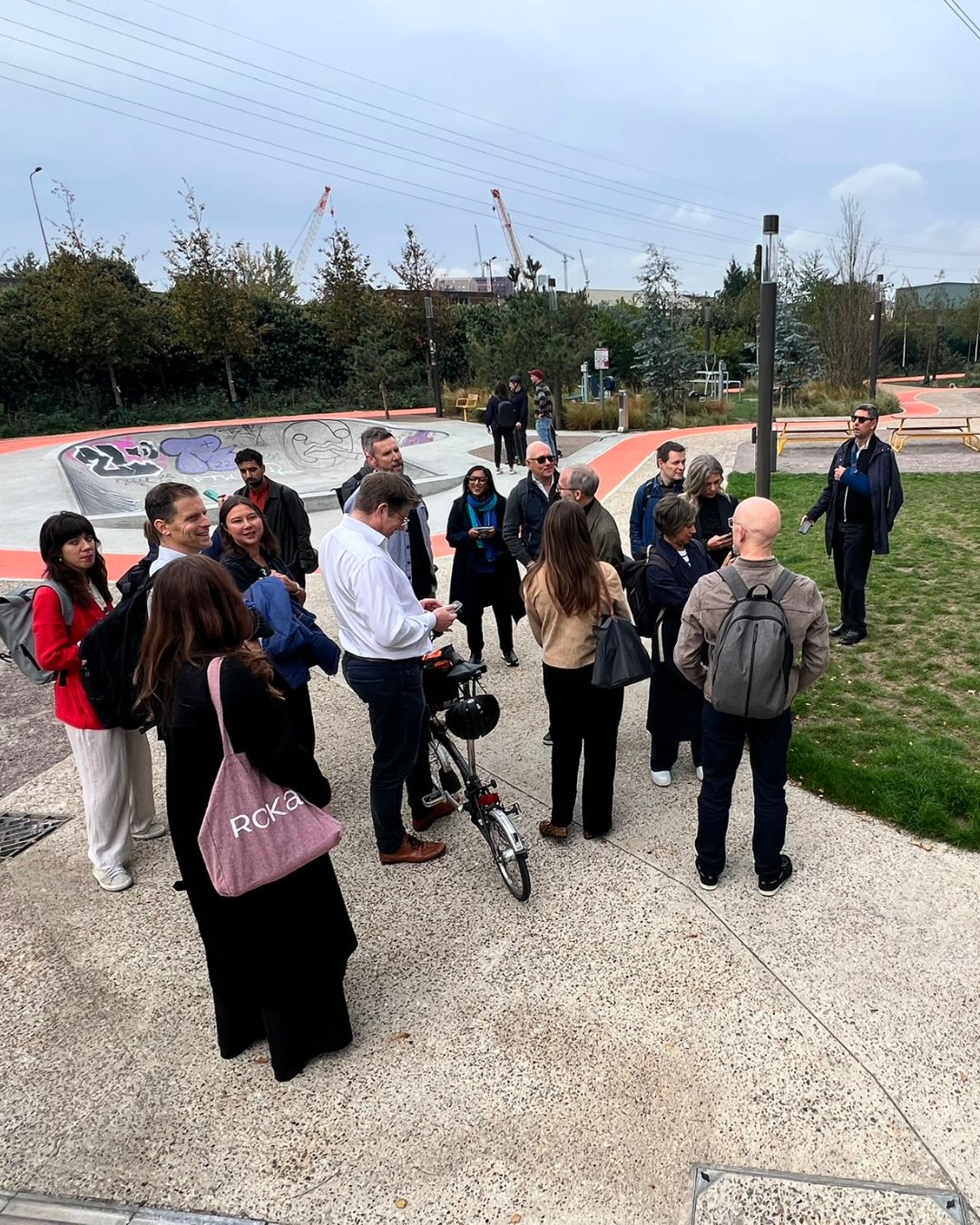
The project is built around a linear park of just under three acres, with a strong emphasis on blue and green infrastructure. Features such as blue roofs, sustainable drainage, tree planting, green corridors and biodiverse planting are not decorative. They are integral to the layout and contribute to a reported sixty four per cent reduction in carbon emissions compared with standard building regulation requirements, with a clear ambition for net zero operation.
Residents benefit from generous shared outdoor space, play areas and routes that feel open and safe. The development has also generated jobs, apprenticeships, work experience and local supply chain opportunities, showing how regeneration can support wider social and economic goals as well as housing numbers.
What we learned
Several themes emerged strongly from the day.
A meaningful mix of tenures, including a high proportion of affordable homes, is essential to secure political and community backing. Matching or exceeding a fifty per cent affordable level, with a clear spread across different products, should be a core aim rather than an afterthought.
Retaining and enhancing existing social assets, such as markets and community facilities, helps people feel that regeneration is for them rather than something happening to them. Regeneration needs a thoughtful approach to local identity, culture and social infrastructure.
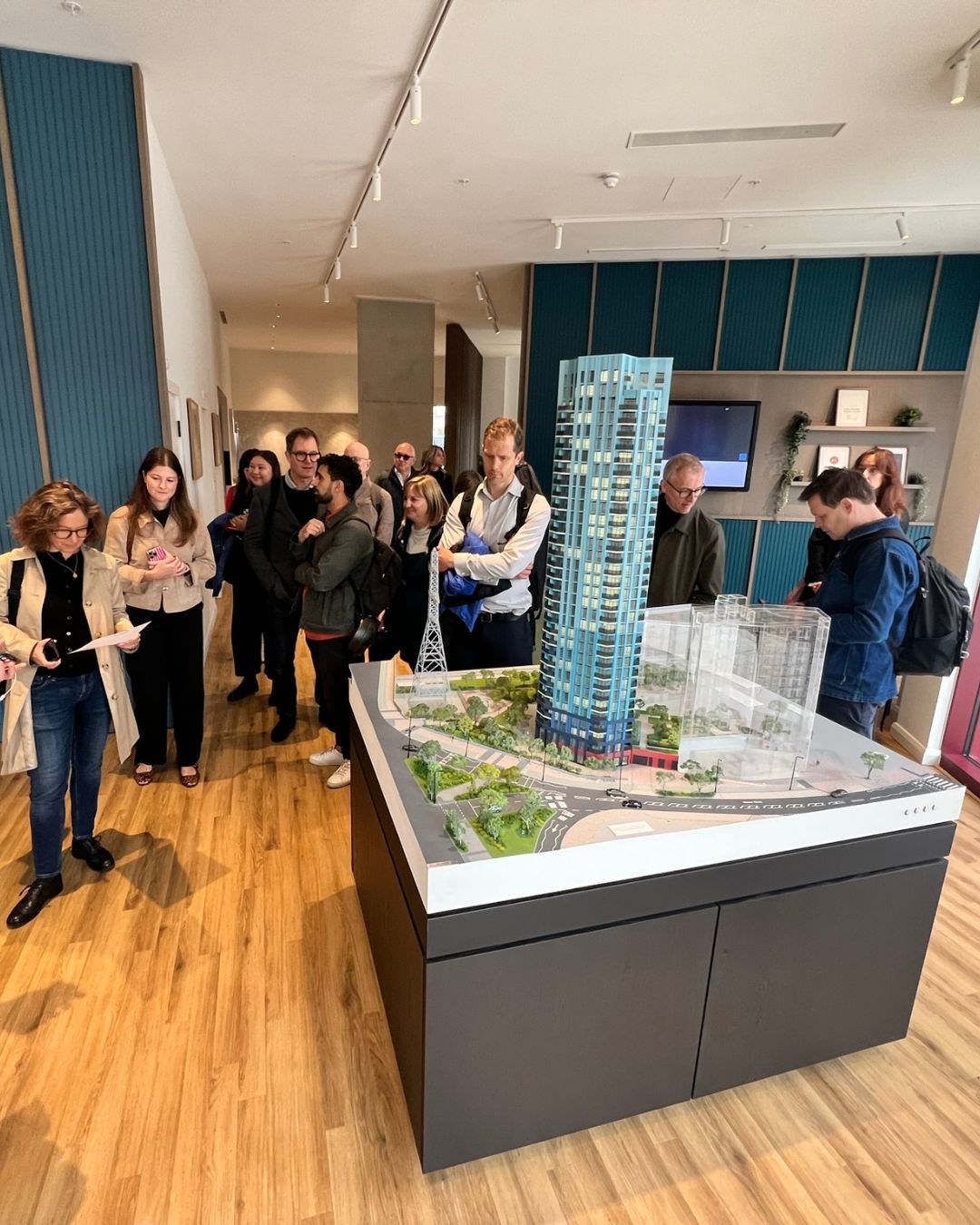
Blue roofs, green corridors, substantial new parkland and ambitious carbon targets at Manor Road Quarter show what is now expected of major schemes.
Both schemes use multi phase delivery to manage risk and cashflow. We also heard how teams responded to shocks such as material supply disruption linked to the war in Ukraine, adapting cladding choices while holding the line on quality and sustainability.
Clear commitments on jobs, apprenticeships, skills and local business support are essential to win trust and to align with funders and policy makers.
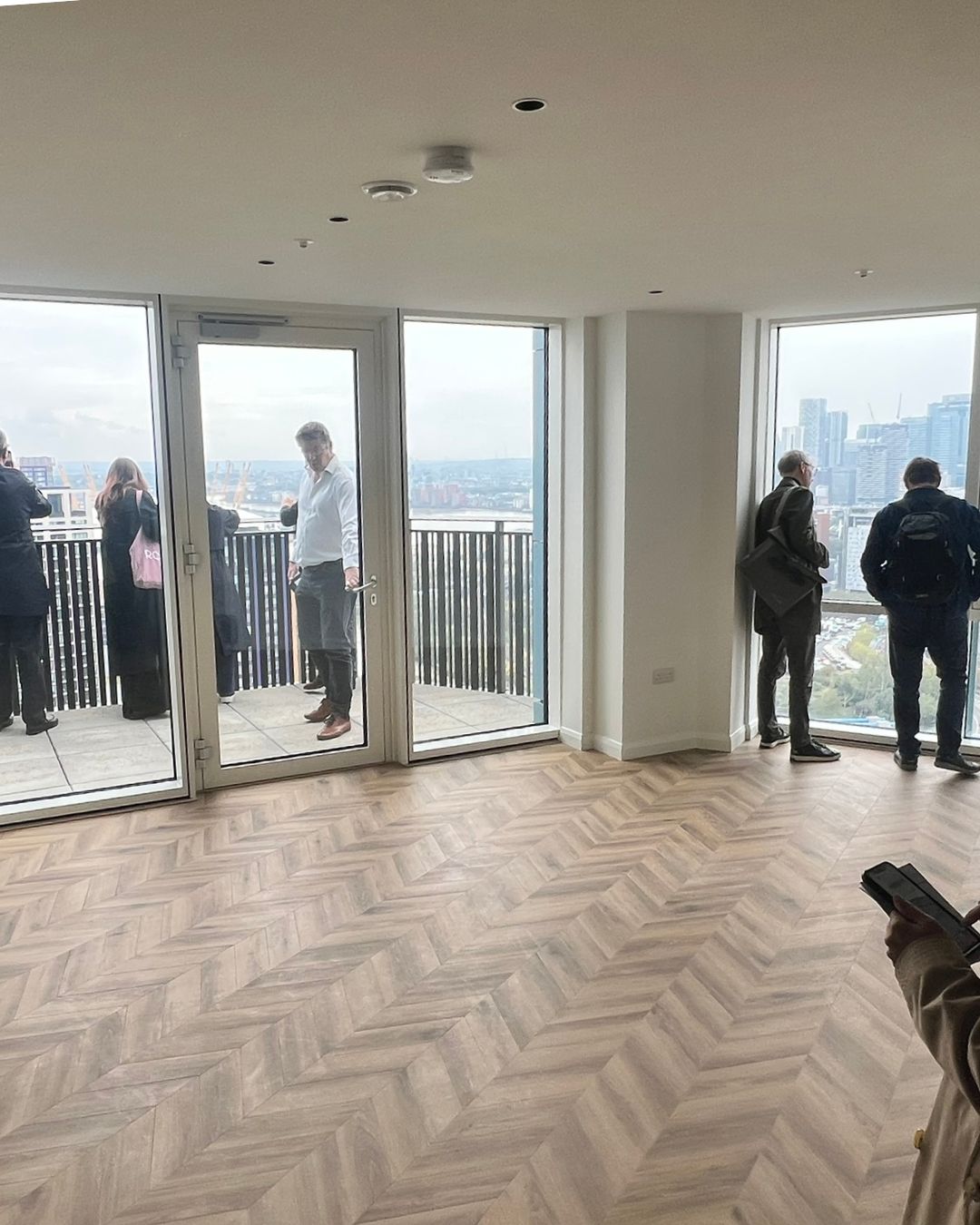
The study trip confirmed that there is already a strong evidence base for inclusive, sustainable regeneration in East London. We now have a sharper understanding of what boroughs, the Greater London Authority and communities expect in terms of homes, public realm, climate action and social value, and of how Muse and partners have delivered that in practice nearby.
It also underlined the importance of learning in the round. Walking the streets, talking through the decisions and hearing about challenges behind the scenes is very different from reading a summary report.