LDN Collective joined Mace and partners at Peterborough Court to explore how a major workplace refurbishment can combine heritage, flexibility and ambitious climate goals.
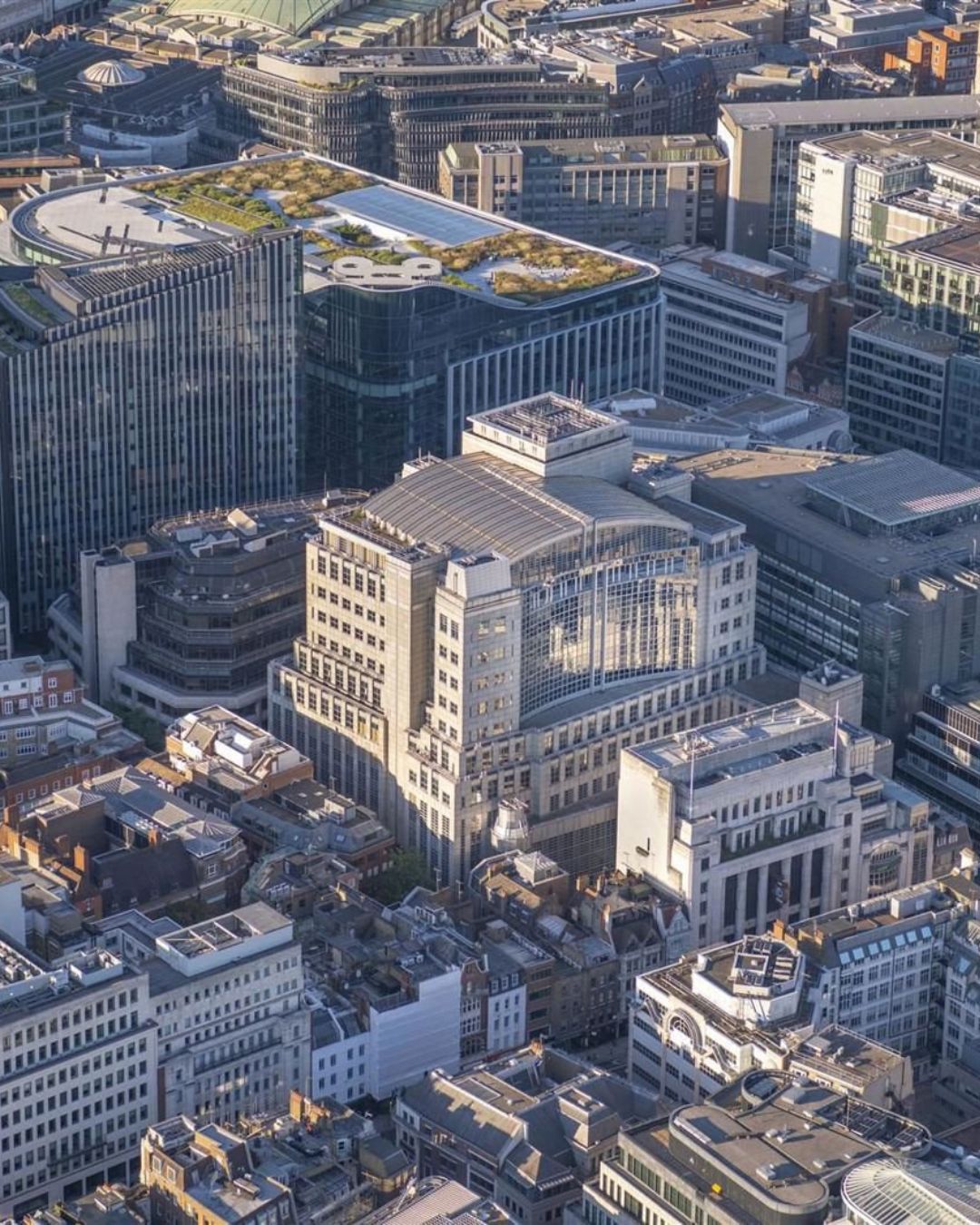
Peterborough Court on Fleet Street is one of the most significant workplace refurbishments currently underway in central London. The former European headquarters of Goldman Sachs is being transformed into around two hundred and ninety two thousand square feet of Grade A workspace across eleven floors, with new retail and leisure at ground level. For anyone involved in city centre retrofit, it is a live test bed for what the next generation of offices needs to deliver for people and planet.
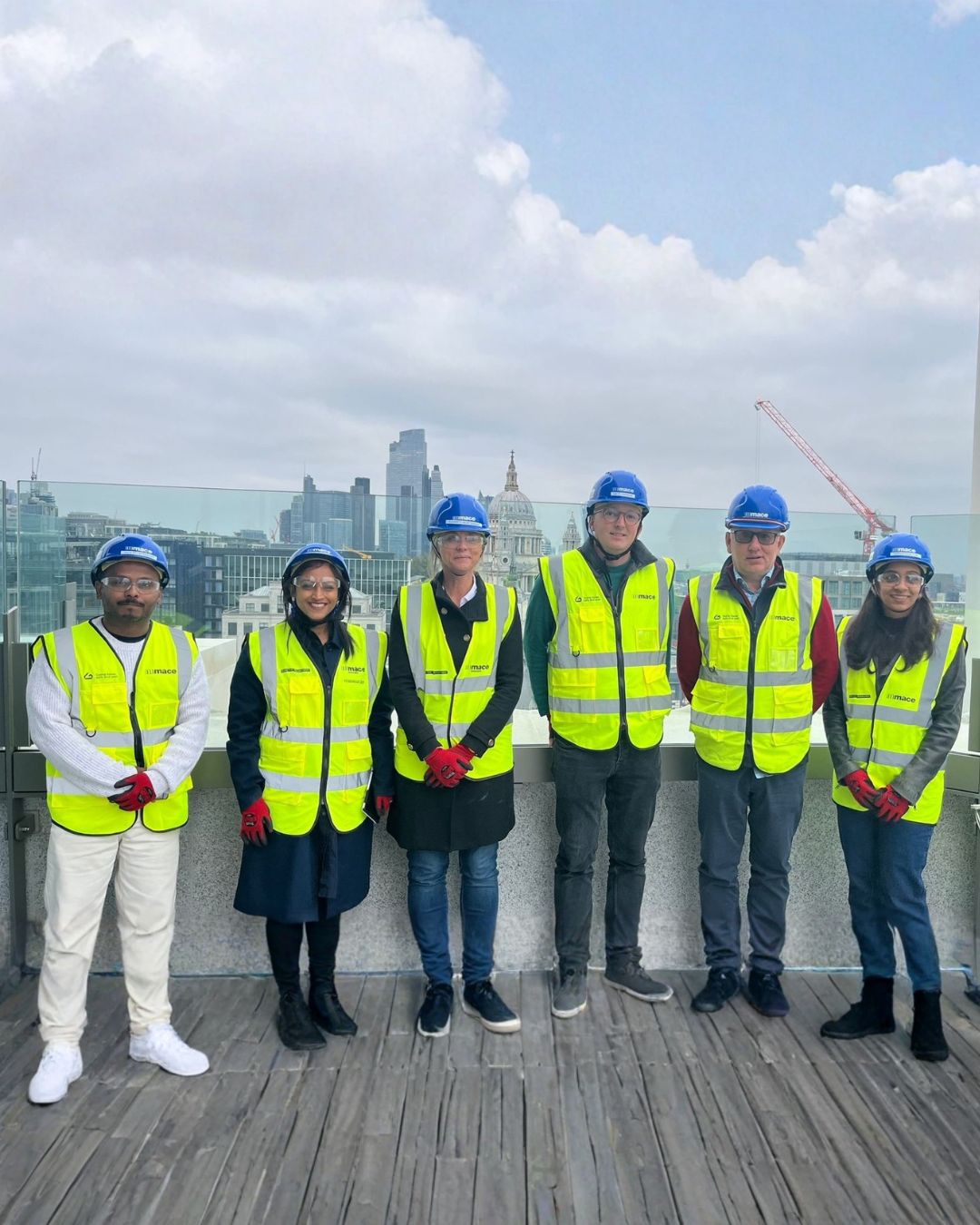
We organised a study trip for LDN Collective members and collaborators to see the project in detail. The visit focused on how the team is reimagining the building inside and out, the sustainability and wellness standards being targeted, and the way digital tools are being used to manage information and future operations.
LDN Collective prepared a briefing note, framed the key questions and convened built environment practitioners with an interest in high performance retrofit. On site, we worked with hosts from Mace and the consultant team to draw out lessons that can inform other city centre projects, from planning and investment cases through to detailed design and handover.
From banking headquarters to flexible city workplace
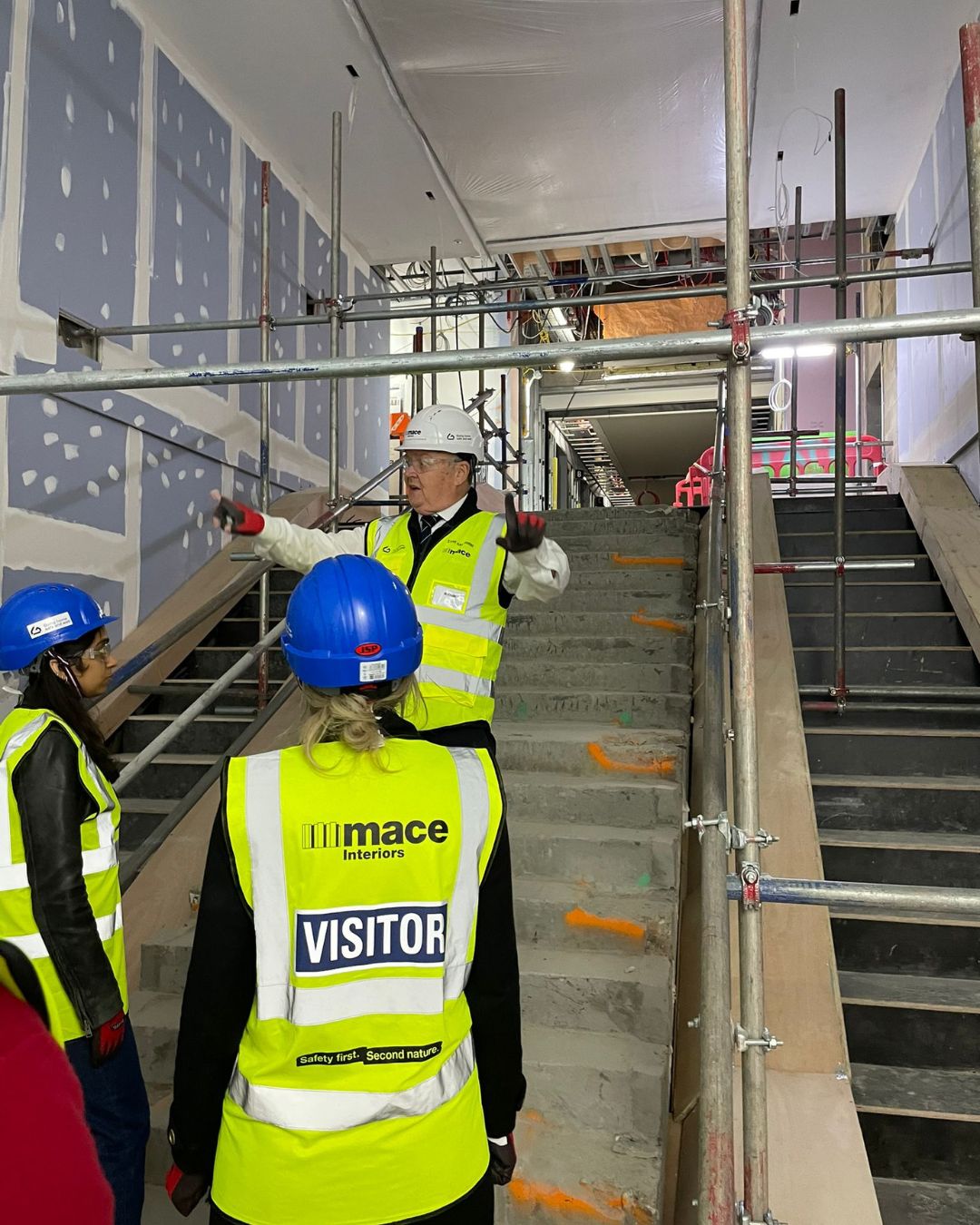
The tour began with an overview of the client vision and the scale of change. Peterborough Court is being repositioned from a single occupier banking headquarters to a multi tenant workplace with floorplates ranging from around sixteen thousand to thirty three thousand square feet. The aim is to offer flexible layouts, generous collaboration space and strong amenities, all within an existing structure in a highly constrained historic setting.
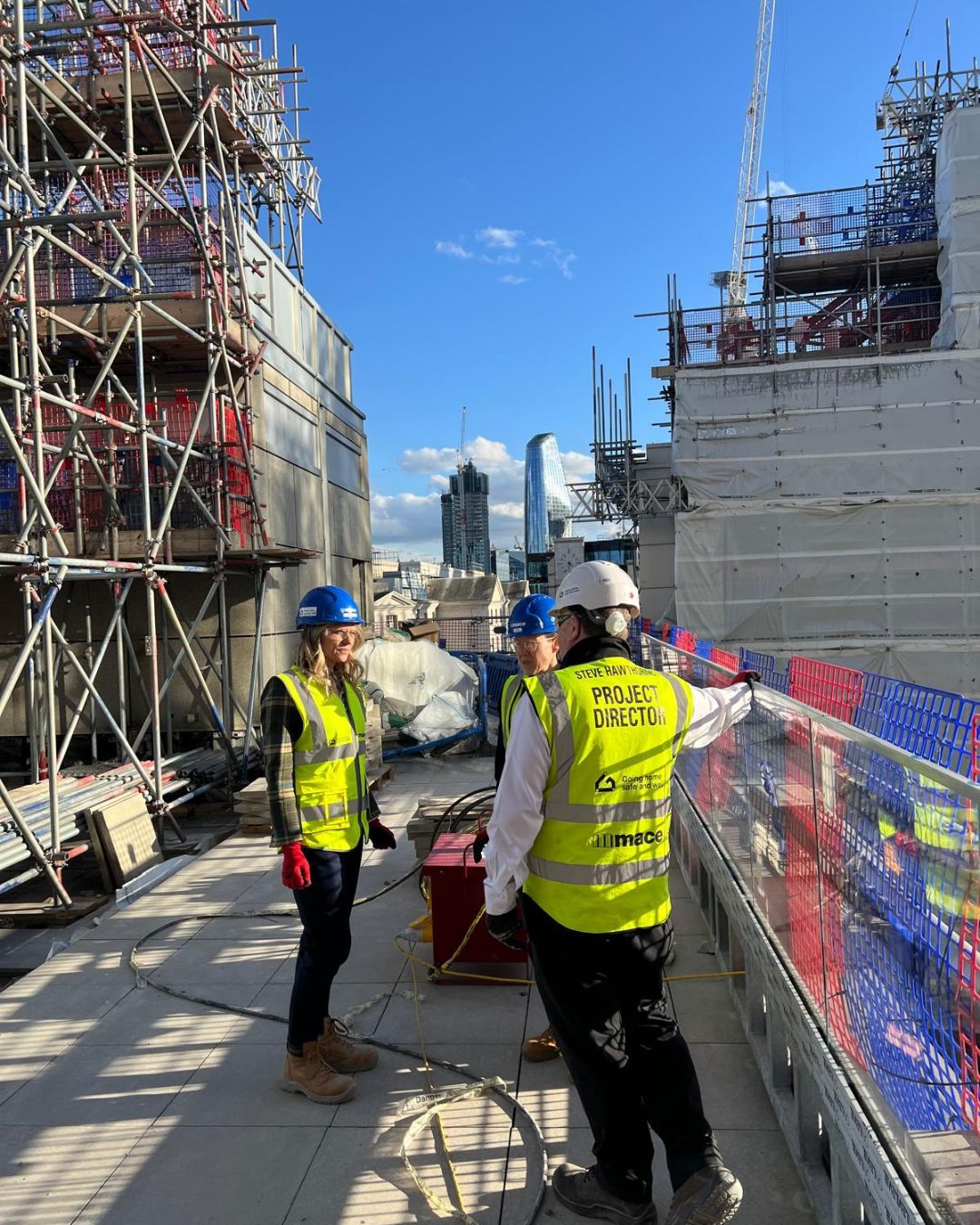
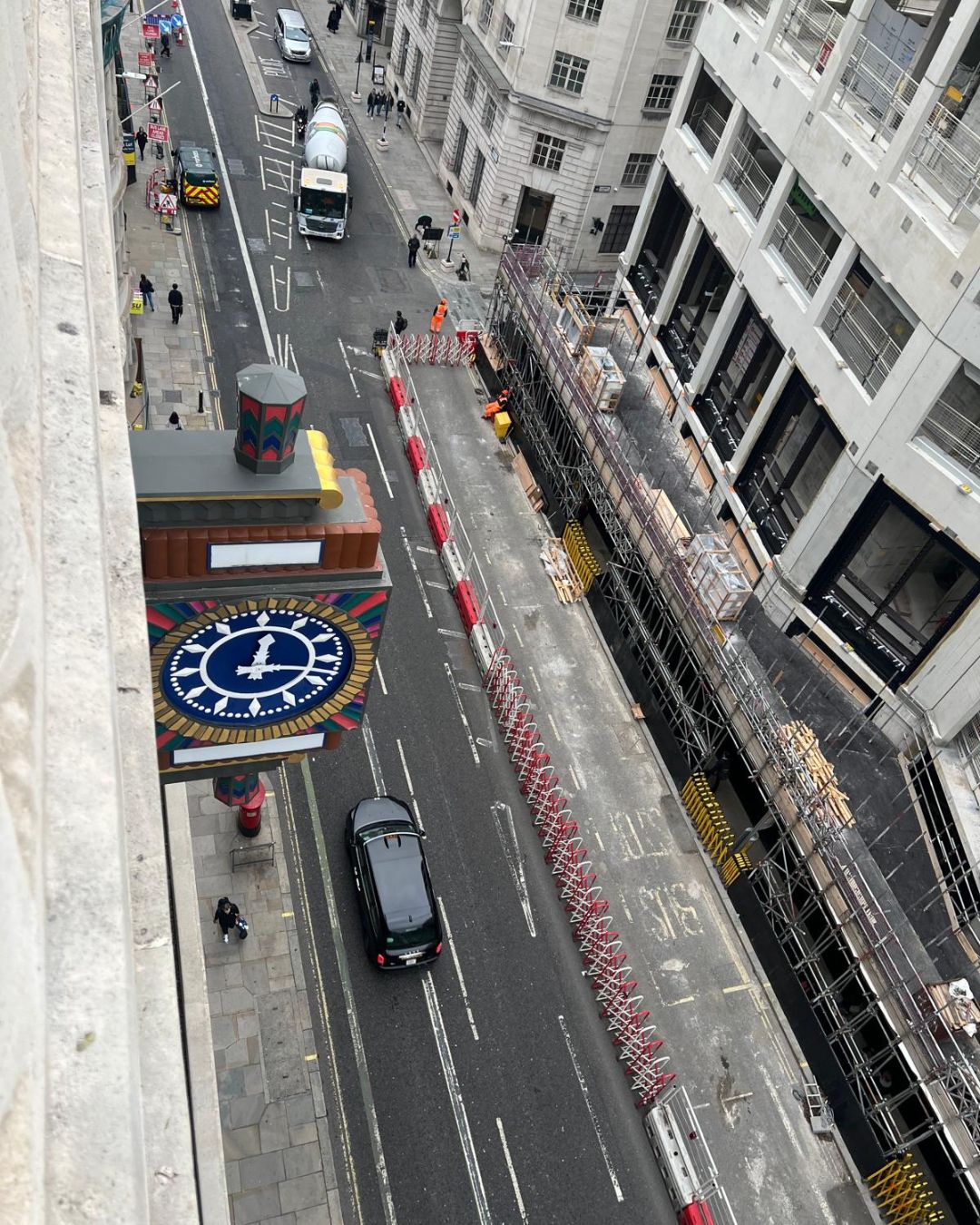
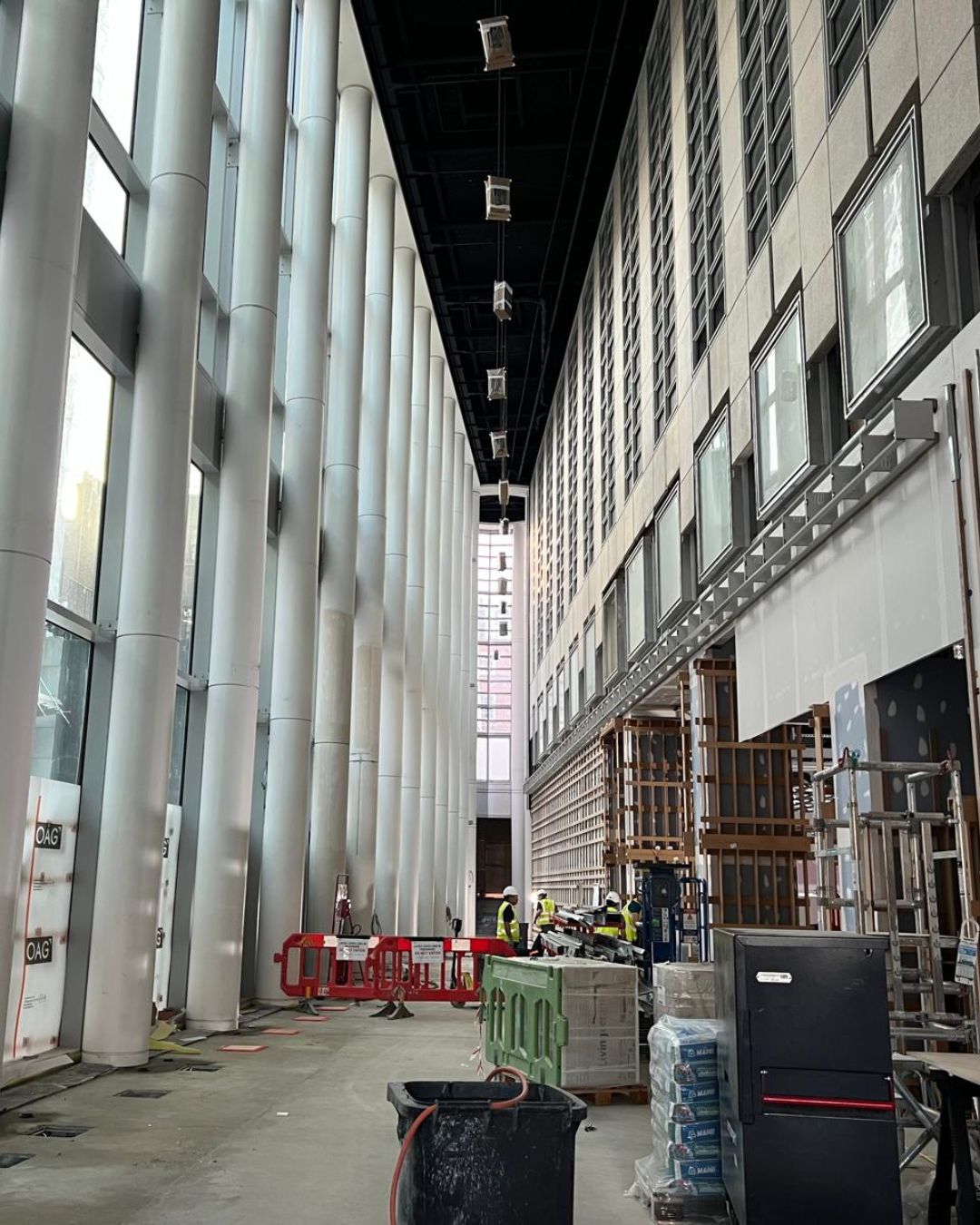
Externally, the Fleet Street and Shoe Lane frontages are being opened up and restored. A long gallery entrance and new glazing will bring more daylight into the deep plan and create a stronger address to the street. Ground floor frontages are being activated with new retail units and public courtyard space, which should help the building feel more connected to the life of the surrounding area.
Inside, the design team talked through how they have replanned cores and services to unlock better daylight, views and floor efficiency. Private terraces and roof spaces, carefully integrated food and beverage offers and leisure facilities are all part of a wider strategy to support wellbeing and attract a broad range of occupiers.
Sustainability, wellness and mobility at scale
A major focus of the visit was the environmental performance and user experience targets. Peterborough Court is aiming for BREEAM Excellent, Platinum level certifications for WELL, WiredScore and ActiveScore, and an energy performance certificate of B. The project is designed to be all electric with dual feed systems and to exceed LETI 2030 and RIBA Climate Challenge 2030 embodied carbon benchmarks, demonstrating how deep retrofit can compete with new build on both operational and embodied emissions.
Cycling and active travel provision is another defining feature. The scheme will provide around six hundred cycle spaces alongside electric vehicle charging, high quality showers, lockers and changing areas. For a central London location with strong public transport connections, this level of support for low carbon commuting is an important signal of where the market is heading.
We also heard from Glider Technology about the smart handover process. Asset information is being captured digitally throughout construction so that operations and maintenance teams inherit a live, structured dataset rather than a stack of manuals. For clients and facilities managers this has clear benefits in terms of efficiency, risk management and the ability to monitor performance over time.
The collaborative nature of the project came through strongly. Mace as main contractor, JRA as architect, BDP on structures and lighting, Gardiner and Theobald for project management and cost, Gerald Eve on planning and Broadwater Capital on investment management have had to balance architectural ambition, buildability, budget and tight regulatory requirements on a complex urban site.
Why this matters for future projects
The study trip underlined that high quality office retrofit is now expected to deliver on multiple fronts at once. Heritage sensitivity, tenant flexibility, premium amenities, net zero aligned performance, strong cycling and public realm, and robust digital information all have to be part of the offer if buildings are to remain attractive in a more demanding market.
For LDN Collective and our clients, Peterborough Court provides a detailed reference point for what is now possible when investment, design and construction teams pull in the same direction. It also offers practical insight into the challenges, compromises and opportunities that come with reusing major city centre assets.
Find out more
If you would like to know more about our approach to study trips and precedent research, or are exploring retrofit options for a complex urban building, please get in touch with the LDN Collective team.